About Instrumentation Valves
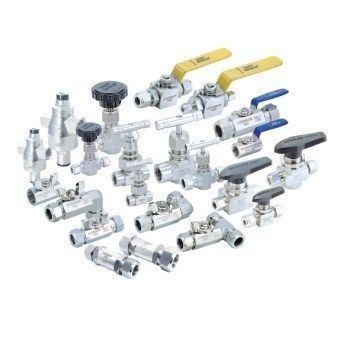
instrumentation Valves and Tube Fittings. It can be also use for gas & hydraulic applications, process control industries, pharmaceutical industries, biomedical, bio pharmaceutical, food & beverage industries.
Reliable Control in High Pressure EnvironmentsDesigned for industrial fluid control and process instrumentation, these instrumentation valves excel under demanding conditions, handling pressures up to 6000 PSI. Their electro-polished stainless steel bodies and quality seals ensure long-term performance, even with aggressive media and variable temperatures ranging from -20C to +400C. Manual control and a non-rotating stem deliver accurate operation and minimize wear.
Versatile Applications Across IndustriesThese valves are suited for use in oil and gas, chemical processing, water treatment, air and steam distribution, and more. Their corrosion resistance and leak-proof features support safe and efficient operation in diverse industrial setups. Multiple connection types and sizes offer seamless integration into existing systems.
Compliance and Quality AssuranceMeeting international ASTM and DIN standards, every valve undergoes rigorous hydrostatic and pneumatic tests to guarantee reliability. Electro-polished finishes and high-strength construction deliver excellent resistance to corrosion, ensuring the valves remain effective and durable in critical environments.
FAQ's of Instrumentation Valves:
Q: How do I select the right end connection for my instrumentation valve?
A: Choose between threaded or flanged ends based on your pipeline requirements. Threaded connections suit smaller pipelines and quick installations, while flanged ends offer stronger seals for higher pressure systems or larger pipe sizes.
Q: What is the maximum pressure these valves handle?
A: Instrumentation valves in this range are rated for pressures up to 6000 PSI, making them suitable for high-pressure industrial applications such as oil, gas, steam, and chemical flows.
Q: Where can instrumentation valves be used effectively?
A: They are ideal for industrial fluid control processes, including water treatment, chemical processing, air, steam, and gas distribution. Their durability makes them reliable in both indoor and outdoor installations.
Q: What are the benefits of a non-rotating, rising stem design?
A: The non-rotating, rising stem minimizes seat wear and ensures better sealing, while also providing visible stem movement for clearer open/close indication. This enhances reliability and reduces maintenance needs.
Q: How are these valves tested for safety and performance?
A: Each valve is subjected to hydrostatic and pneumatic testing to ensure leak-proof and safe operation under specified pressure limits. This testing is performed in accordance with ASTM and DIN standards.
Q: What type of packing material is used and what are its advantages?
A: Valves use PTFE or graphite packing, both known for their chemical resistance and capability to withstand high temperatures and pressures. This helps maintain leak-proof operation and prolonged valve life.
Q: When should I choose a soft seated valve versus a metal seated type?
A: Soft seated valves provide better leak-tightness for lower temperature and less abrasive fluids. Metal seated valves are preferable for higher temperatures, more abrasive services, or where chemical compatibility requires a metal-to-metal seal.

 Send Inquiry




 Send Inquiry

 Send Inquiry

