
Call: 08071931448
 Send Inquiry
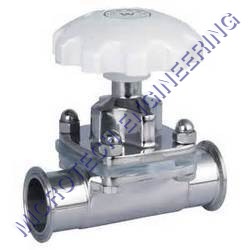
Sanitary diaphragm valve
Material :304(L) 316(L)
Finish:Mirror or Matt Polish;
Tech Data:
Size: 1 / 4 " - 3 / 8" - 1 / 2 " - 3 / 4" - 1 " - 1 1 / 4" - 1.5 " - 2" - 2.5 - 3"
AISI 316L contact parts and materials
Other parts AISI 304 stainless steel
outer surface matt / light
connection (standard): clamp, welding, thread,
body structure: straight, T-links, U-type Tee, L-type links
Descriptions:
diaphragm valve, manual or pneumatic operation, specifically used in the pharmaceutical industry, health and aseptic process, the valve is suitable for fluid control and on / off task.
The diaphragm valve design compared with the other, the valve has excellent flow characteristics. Easier to clean, very good deal with particles of the material, the flow control applications, cavitations is also less.
Work diaphragm valve seal and seat seal provides. There is no path leads to the external environment, so the valves for sterile processes. body and the relationship between the pressure plate to prevent the extrusion of the diaphragm.
The pneumatic diaphragm valve can operate manually, or by the controller and solenoid valve control.

Price:
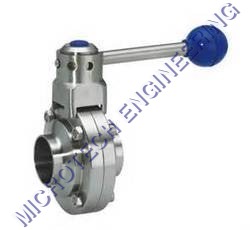
Minimum Order Quantity : 1 Number
Pressure : Medium Pressure
Usage : Food, Water, Oil Well, Water Well, Automobile, Boat, Cosmetics, Air Pump, Other, Paper Printer
Standard : gmp model
Application : Cryogenic, Fire, Maritime, Metering, Submersible, Sewage, Other
Structure : Gear Pump
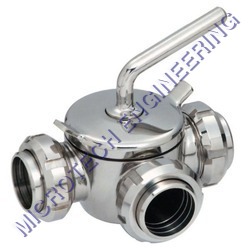
Minimum Order Quantity : 01
Pressure : Other, Up to 20 Bar
Usage : Other, Flow Diversion, Mixing, Fluid Isolation
Standard : ANSI, API, BS, DIN
Application : Other, Chemical, Oil & Gas, Water Supply, Process Industries
Structure : Other, 3Port, Plug internal mechanism
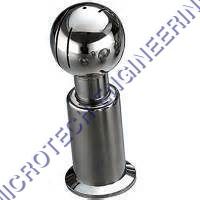
Minimum Order Quantity : 01
Pressure : Other, 2 6 bar
Usage : Other, Tank Cleaning, CIP (CleanInPlace)
Standard : DIN/ISO/3A
Application : Other, Pharmaceutical, Food & Beverage, Chemical Industry Tanks
Structure : Other, Rotary Ball
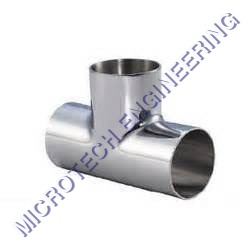
Minimum Order Quantity : 01 Number
Pressure : High Pressure
Usage : Water, Air Pump, Oil Well, Food, Automobile, Boat, Cosmetics, Other, Paper Printer, Water Well
Standard : stainless steel
Application : Cryogenic, Fire, Maritime, Metering, Sewage, Submersible, Other
Structure : Other
GST : 07AASFM3267H1ZV
|


 Send Inquiry

 Send Inquiry

