About Ointment PROCESSING Plant
Ointment Plant
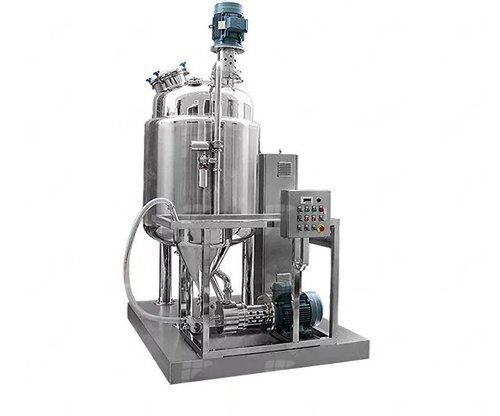
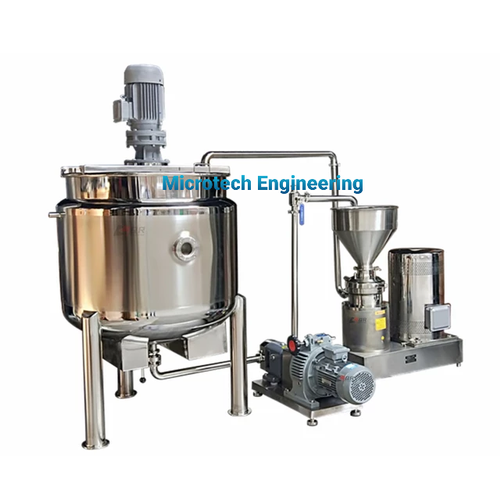
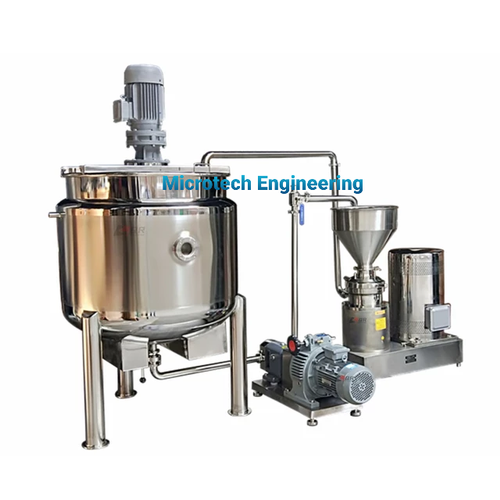
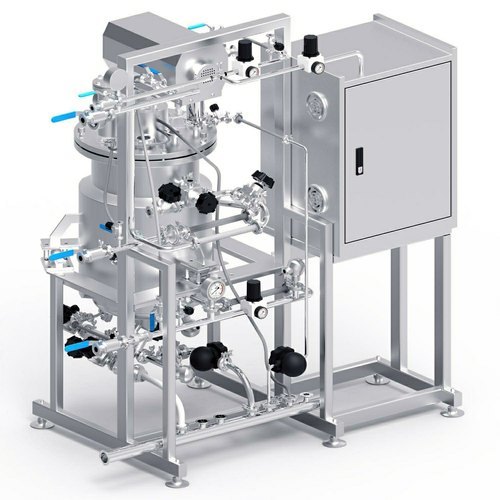
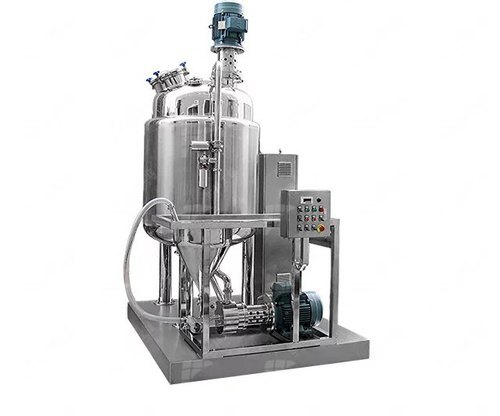
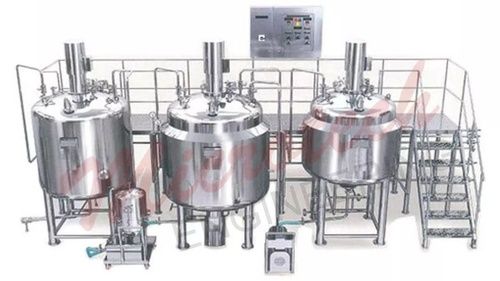
Ointment Section offered comes designed and developed in precision fabricated finish and latest technology support for reliable performance.
Product Details
- Minimum Order Quantity :1 Unit
- Material:SS
- Speed :2800 rpm
- Design: Standard
- Automatic Grade :Semi-Automatic
- Capacity :500-1000L
Features:Rich expertise in offering ointment sections All equipment manufactured using quality stainless steel for reliable end usage
Specifications:Parts of machines manufactured using mild steel Available in varied technical specifications and capacities Water jacketed in SS 304 finish Anchor type stirrer support Homogenizer comprising 5 HP, 2800 RPM, 3 Phase Hydraulic lid lifting support
Advanced Vessel and Mixing TechnologyThe triple-walled, insulated vessel is equipped with anchor-type agitators and high-speed homogenizers. These features enable thorough mixing, breakdown of particle size, and de-aeration, resulting in smooth and uniform ointment batches. The integrated scrapers prevent product buildup and enhance heat exchange, optimizing both batch quality and process efficiency.
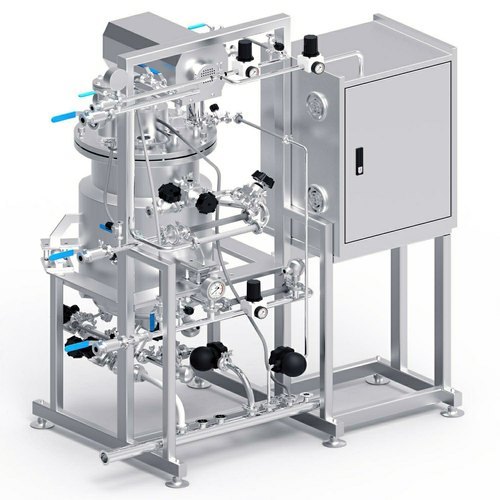
Safety, Sterilization, and CleanabilityThis plant combines safety mechanisms-emergency stop, pressure release valves, and interlocks-with advanced cleaning systems. Automated CIP (Clean-in-Place) and SIP (Steam-in-Place) sterilization capabilities ensure compliance with hygiene standards and effortless maintenance. Operators can rely on glass/electronic level indicators and mobility features, such as optional castor wheels, for enhanced operational safety and convenience.
Automated Controls and Flexible OperationsUsers engage with a multilingual PLC-based HMI panel for precise process management and batch record-keeping. The fully automatic design supports high reproducibility and traceability, while customizable utility connections and vessel dimensions enable seamless integration into diverse manufacturing setups. Accessories like sampling valves, CIP spray balls, and load cell integration further expand functionality.
FAQ's of Ointment PROCESSING Plant:
Q: How does the integrated vacuum system improve ointment processing?
A: The integrated vacuum system de-aerates the mixture, eliminating air pockets and reducing oxidation. This results in a smoother product texture and extends shelf life, critical for pharmaceutical and cosmetic standards.
Q: What safety features are included in the Automatic Ointment Processing Plant?
A: Key safety features include emergency stop buttons, safety interlocks, pressure release valves, and level indicators. These components protect operators and equipment from overpressure or accidental mishaps during processing.
Q: When is steam-in-place (SIP) sterilization used in the ointment process?
A: Steam-in-place (SIP) sterilization is used before and after each production run. It ensures all contact surfaces of the vessel remain free from microbial contamination, meeting stringent hygiene requirements for pharmaceuticals and cosmetics.
Q: Where can the ointment plant be utilized within India?
A: This plant is suitable for pharmaceutical manufacturing, cosmetic production, and topical formulation facilities throughout India. Dealers, suppliers, exporters, and fabricators cater to local and regional manufacturing needs.
Q: What benefits does anchor agitator and high-speed homogenizer integration provide?
A: The anchor agitator with scrapers ensures thorough mixing and heat transfer, while the high-speed homogenizer achieves fine particle dispersion. Together, they deliver homogenous, smooth textures and enhanced product consistency across batches.
Q: How are batch records maintained in this system?
A: Batch records are automatically logged via the computerized PLC control panel. Data on ingredient input, mixing parameters, and process events are securely stored for compliance, traceability, and quality assurance.
Q: What utilities and accessories are needed for plant operation and maintenance?
A: Required utilities include water, steam, electricity, and compressed air. Accessories such as sampling valves, CIP spray balls, filter units, load cells, and multiple inlet/outlet ports support efficient processing, cleaning, and monitoring.

 Send Inquiry





 Send Inquiry

 Send Inquiry

