About Wave Spring Seal
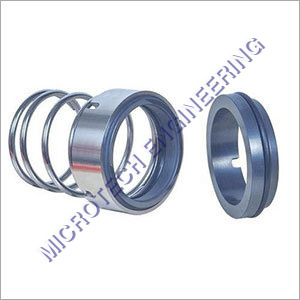
Wave Spring Seal
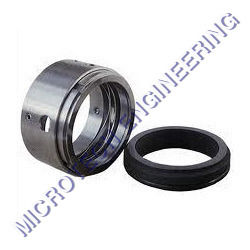
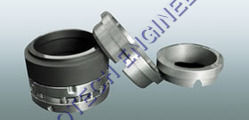
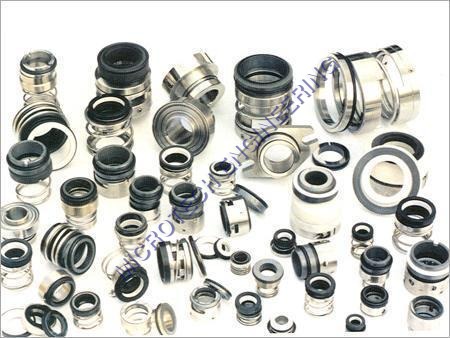
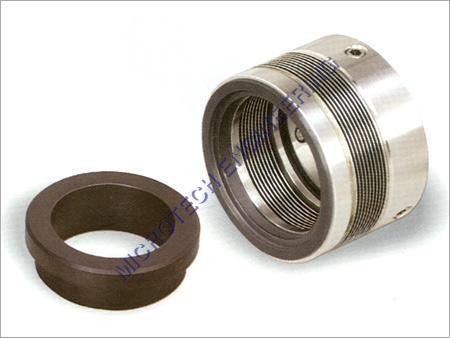
Our trouble free series of Wave Spring Seals is non-clogging thus fits in all condition. The retainer type Wave Spring Seals are designed for dirty applications. Available in WO series, Wave Spring Seals is easily interchangeable and an easy solution for the industrial applications.
Versatile Multimaterial Seal FacesChoose from Carbon, Ceramic, Silicon Carbide, or Tungsten Carbide seal faces for optimal durability and chemical compatibility. Each material addresses different process demands, extending the service life of your mechanical seal in water, oil, and chemical media.
Advanced Wave Spring TechnologyThe stainless steel wave spring ensures constant, even face loading, enhancing self-cleaning action and efficient operation. Its compact design requires minimal axial space and fits easily into existing setups, benefiting continuous and high-speed processes.
Corrosion-Resistant ConstructionWith stainless steel and Viton components, this seal offers excellent resistance to corrosion and harsh chemicals. The cartridge-type design minimizes required maintenance, while the lapped face finish (Ra < 0.2 m) supports long-term, leak-free performance.
FAQs of Wave Spring Seal:
Q: How do I select the appropriate seal face material for my application?
A: Select the seal face based on your media and operating conditions. Carbon is suitable for general water or mild chemicals, Ceramic works well with abrasive fluids, while Silicon Carbide and Tungsten Carbide are best for high-wear or aggressive chemical environments to ensure optimal sealing performance and longevity.
Q: What makes the wave spring feature beneficial in this seal design?
A: The stainless steel wave spring maintains consistent pressure on the seal faces, compensating for shaft runout and misalignment up to 0.15 mm. This design offers a self-cleaning effect, reduces wear, and supports high speeds in a compact, easy-to-install package.
Q: When is it necessary to use Viton, PTFE, NBR, or EPDM secondary seals?
A: Choose the secondary seal based on the chemical compatibility with your process fluid and temperature requirements. Viton is excellent for oils and chemicals, PTFE for aggressive chemicals, NBR for general water and oils, and EPDM for water, steam, and some chemicals. Refer to fluid compatibility charts for the best match.
Q: Where can this wave spring seal be installed?
A: This seal is engineered for use in pumps, compressors, agitators, and mixers where sealing rotating shafts against leakage is crucial. Its cartridge structure ensures straightforward installation in applications across a range of shaft sizes (12 mm to 100 mm).
Q: What are the key benefits of using a cartridge-type mechanical seal?
A: Cartridge seals simplify installation and minimize the risk of installation errors. They come pre-assembled and pre-set, reducing maintenance time, ensuring proper alignment, and improving operational reliabilityespecially beneficial for continuous operation in demanding environments.
Q: How does the self-cleaning action affect seal longevity?
A: The self-cleaning action, a result of the wave springs unique movement, helps prevent the buildup of deposits on the seal faces. This reduces wear, keeps sealing surfaces pristine, and directly contributes to extended service life and reliable, leak-free operation.

 Send Inquiry



 Send Inquiry

 Send Inquiry

