About Sesame Paste Tahini Paste Making Mechines
Sesame Paste Tahini Paste Making Mechines
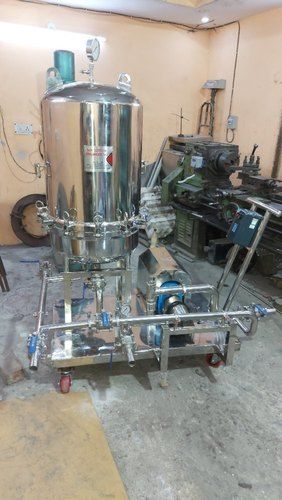
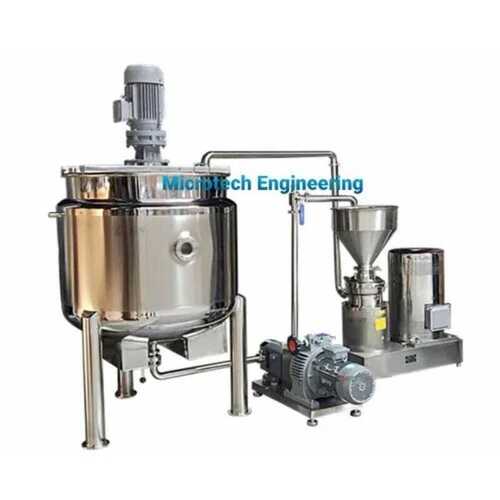
Tahini making mechine 1,Application Scope: The vertical mill is widely applied in sorts of products of many fields by its advantage such as foodstuffs industry, medicine industry, chemical industry and everyday chemical industry etc.; the products including soybean milk, fruit jam, peanut butter, artificial corn milk, cream, perfumery compound, pigment, greasing oil, dyestuff, pant, fish live oil, pollen, honey, tooth-pasteand so on. 2,Material:Stainless steel or Semi-stainless steel 3,Cooling systemis designed with equipment
Efficient Production and Versatile ApplicationThese paste making machines offer high grinding efficiency and user-friendly operation, making them well suited for busy food-processing facilities, factories, and commercial kitchens. Capable of handling various raw materials such as sesame seeds, peanuts, and other nuts, the system is designed for continuous operation with low noise and easy maintenance. Its hygienic construction and automated options guarantee superior paste quality for scale-up production.
Advanced Design and Reliable FeaturesThe machines feature a sturdy rectangular frame with cylindrical grinding chambers, ensuring optimal durability and minimal vibration. A variable speed mode, button/panel control, and safety features like emergency stop switches and overload protection add to the user's confidence in performance and ease of use. Clean-in-Place compatibility and rust-proof materials facilitate quick cleaning for high sanitation standards, while multiple capacity models cater to operations of any size.
FAQ's of Sesame Paste Tahini Paste Making Mechines:
Q: How do I adjust the fineness of the paste output (mesh size)?
A: The output fineness can be adjusted between 50 and 200 mesh using the machine's control panel or adjustment features. This lets you customize the texture of sesame paste, tahini, or nut butter according to your recipe requirements.
Q: What safety features are included with the machine?
A: Each paste grinder is equipped with overload protection and an emergency stop switch, ensuring user safety during operation. These safeguards are especially vital during intensive 24/7 industrial use.
Q: Where is this machine typically used and for what processes?
A: These machines are commonly installed in food processing facilities, factories, and commercial kitchens for the wet grinding and mixing of sesame paste, tahini, nut butter, peanut butter, and chili paste, among other food products.
Q: What cleaning method is recommended for this machine?
A: The machine is compatible with CIP (Clean-in-Place) cleaning systems, enabling thorough and hygienic sanitation without the need for disassembly, thus saving valuable processing time and maintaining food safety standards.
Q: When should I arrange for spare parts or maintenance?
A: Standard spare parts are provided with every purchase. For 24/7 operation, periodic checks and timely replacement of wear parts help maintain efficiency. Spare parts are readily available from the supplier to minimize downtime.
Q: What are the main benefits of using this machine in production?
A: Key benefits include high grinding efficiency, adjustable texture, low noise, rust-resistant construction, easy operation, and compatibility with food-grade sanitation protocols. The design supports continuous production, contributing to consistent product quality and yield.
Q: How does the cooling and heating system work in paste production?
A: Optional water circulation cooling helps regulate temperature during grinding, and electric heating or water jackets are available to maintain optimal operating conditions, ensuring paste quality and equipment longevity in various processing environments.

 Send Inquiry



 Send Inquiry

 Send Inquiry

