About CIP Skid
CIP SYSTEM
MICROTECH ENGINEERING
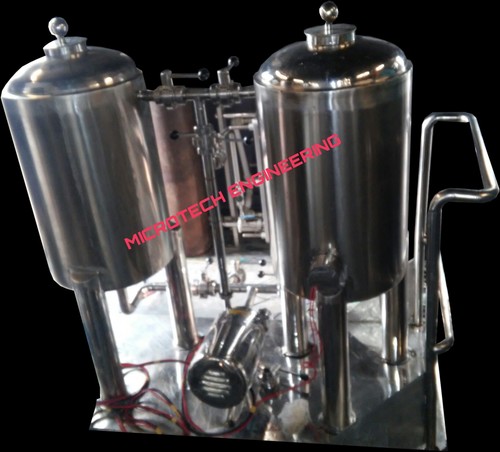
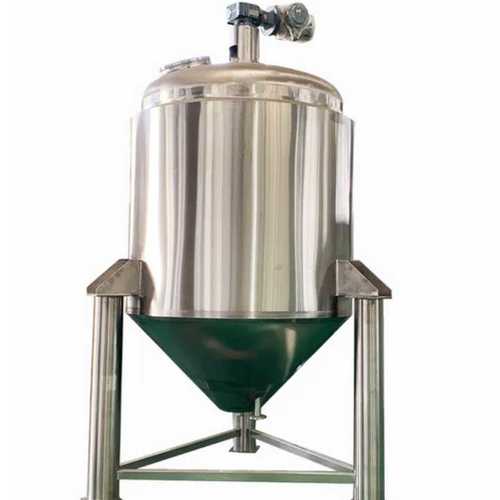
We manufacturers collection of 2 tank cip system, 3 tank cip system and 4 tank cip system as automatic cleaning-in-place system that are fabricated of premium grade stainless steel. These automatic cip systems are available in a capacity ranging from 1500 ltrs. To 10000 ltrs. The entire gamut is manufactured as per the compatibility of the equipment. Automatic cip systems are thoroughly checked and tested for their accuracy and durability prior to their installation and dispatch. These systems can also be customized as per the specification given by the clients.
Other Information
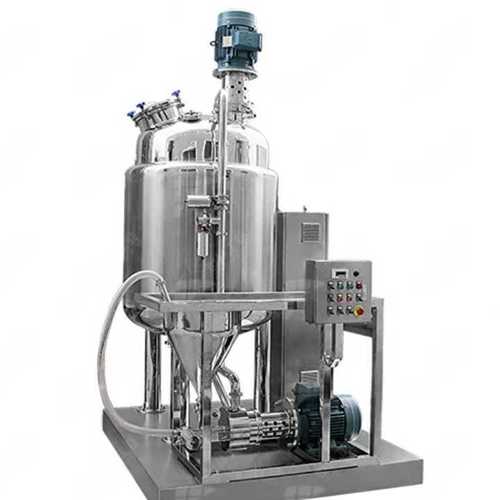
Advanced Automation for Efficient CleaningThe CIP Skid leverages sophisticated PLC-based control and can be integrated with SCADA systems, allowing both automated and manual operation. With customizable tank numbers and configurations, this solution adapts seamlessly to evolving industrial sanitation requirements, ensuring consistent hygiene standards while optimizing resource usage.
Superior Construction and FlexibilityManufactured from SS316 or SS304 stainless steel and built for modularity, the system accommodates varied outlet sizes, flow rates, and diameters. The skid-mounted design, complete with castor wheels, allows for easy movement and flexible installation, making it suitable for new or retrofit projects within any industrial facility.
Safety and Compliance PrioritizedCompliance with ASME, ISO, and CE standards guarantees safety and reliability. Equipped with emergency stop systems and pressure relief valves, the CIP Skid prioritizes operator safety and process integrity in challenging industrial environments, while providing sampling ports for ongoing quality assurance.
FAQs of CIP Skid:
Q: How does the automated cleaning process work in the CIP Skid system?
A: The CIP Skid utilizes PLC-based automation to control sequential cleaning cycles using centrifugal/sanitary pumps and inline filtration. Solutions are circulated through process lines and tanks, ensuring thorough removal of residues. The system can operate automatically or manually, adapting to your process needs.
Q: What industries can benefit from this CIP Skid?
A: This CIP Skid is ideal for the pharmaceutical, food & beverage, dairy, and chemical industries. Its modular design and robust stainless steel construction ensure compliance with stringent hygiene standards and process requirements found in these sectors.
Q: When should a facility consider upgrading to a PLC-based CIP Skid?
A: Facilities should consider upgrading when seeking to improve cleaning consistency, reduce manual intervention, or meet stricter industry standards. PLC automation offers greater control, traceability, and integration with plant management systems, enhancing both operational efficiency and safety.
Q: Where can the CIP Skid be installed within a process plant?
A: Thanks to its skid-mounted design with castor wheels, the CIP Skid can be installed wherever space permits: adjacent to process lines, within utility areas, or near storage tanks. Its modularity allows convenient integration into new or existing plant layouts.
Q: What are the benefits of choosing customizable features for the CIP Skid?
A: Customizing tank numbers, materials, heating methods, and flow rates allows optimal adaptation to specific cleaning requirements. This ensures maximum cleaning efficiency (up to 99%), safety, and compatibility with a wide range of process configurations and utilities.
Q: How is operator and equipment safety ensured during CIP operations?
A: Safety is ensured with features like emergency stop buttons, pressure relief valves, robust material construction, and compliance with ASME/ISO/CE standards. These provide protection against overpressure, unintended operation, and contribute to a safer working environment.
Q: What are the main utility requirements and integration capabilities of the CIP Skid?
A: The CIP Skid requires electrical supply, water, and steam or air depending on the heating method chosen. Integration with existing control systems is seamless thanks to PLC/SCADA capabilities, allowing centralized monitoring, control, and enhanced data logging.

 Send Inquiry



 Send Inquiry

 Send Inquiry

