About Syphons Tube
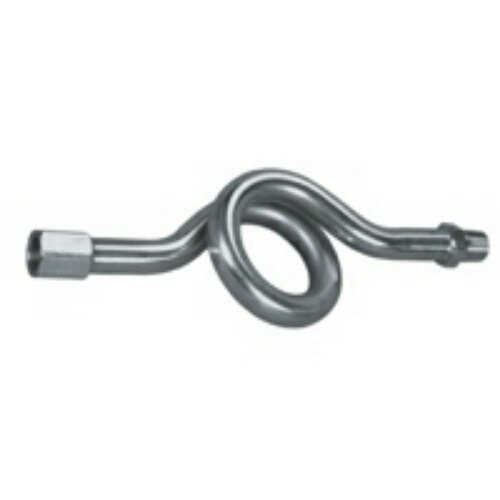
The Syphon Tube is connected between the pressure gauge & process in applications where high temperature vapours or fluids are present or temperature above 65 Deg C for eg. steam.
It acts as a cooling coil and protects the gauge from high temperature vapours, by dissipating heat. A gauge cock is generally connected between the pressure gauge and syphon for isolation.
These are normally made from Sch. 80, Sch. 160 and Sch. XXS seamless pipes.
M.O.C - carbon steel, alloy steel and stainless steelVersatile Connection and Structure OptionsSyphon tubes are adaptable for various installations, featuring threaded, flanged, or plain ends. Their structure includes pigtail, U-Type, and angular bends, making them suitable for diverse piping arrangements in steam, gas, and liquid pressure measurement.
Reliable Material Selection and Corrosion ResistanceManufactured from mild steel and stainless steel grades 304/316, syphon tubes offer durability and enhanced corrosion resistance. Additional protection can be provided upon request to suit harsh environments, ensuring longevity and minimal maintenance.
Customized Solutions for Industrial NeedsEvery syphon tube can be tailored in length, caliber, and connection type as per client requirements. This ensures compatibility with existing systems, regardless of size or specification, and simplifies integration for manufacturers, exporters, and suppliers.
FAQ's of Syphons Tube:
Q: How does a syphon tube protect pressure gauges in steam applications?
A: Syphon tubes work by creating a cooling chamber for steam before it reaches the pressure gauge. This design prevents direct exposure to high-temperature steam, safeguarding the gauge from thermal damage and maintaining measurement accuracy.
Q: What customization options are available for syphon tubes?
A: Syphon tubes can be customized in length, bending type (pigtail, U-type, or angular), connection end (threaded, flanged, or plain), and surface finish (polished, painted, or natural). The diameter and material can also be tailored to meet industry standards or client-specific needs.
Q: Where are syphon tubes typically installed?
A: Syphon tubes are commonly installed in pipelines or instrumentation setups where steam, gas, or liquid pressure needs monitoring. Their mounting can be threaded or welded directly onto the process line, depending on the connection type and application requirements.
Q: What materials are used in syphon tube manufacturing and what are their benefits?
A: Syphon tubes are made from mild steel and stainless steel 304/316. Stainless steel provides superior corrosion resistance and high strength, making it suitable for aggressive media and long service life. Mild steel offers cost-effectiveness for less demanding environments.
Q: When should corrosion protection be considered for syphon tubes?
A: Corrosion protection should be requested when syphon tubes are exposed to corrosive fluids, extreme environmental conditions, or installed outdoors, thus preventing premature degradation and extending operational life.
Q: How does the self-priming and static suction function work in these syphon tubes?
A: Syphon tubes utilize manual operation based on hydraulic principles, enabling self-priming. This function permits the creation of pressure differentials without auxiliary power, ensuring continuous and silent operation for accurate pressure or flow readings.
Q: What are the main benefits of using syphon tubes in industrial measurement applications?
A: Syphon tubes offer high strength, accurate bending, and reliable pressure measurement. Their corrosion-resistant design and compatibility with international standards provide dependable performance, reducing maintenance costs for dealers, manufacturers, and suppliers alike.

 Send Inquiry



 Send Inquiry

 Send Inquiry

